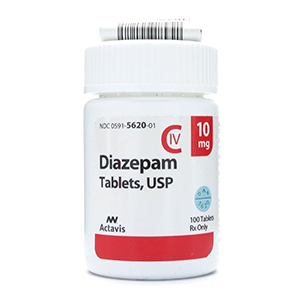
Diazepam
Diazepam is a prescription medicine belonging to the benzodiazepine class. It is used for several medical conditions, including certain anxiety disorders, muscle spasms, symptoms associated with alcohol withdrawal, and certain seizure disorders. It may also be used before some medical procedures to help with relaxation.
Because diazepam can cause drowsiness, impaired coordination, dependence, and withdrawal symptoms, it should be used only under the direction of a qualified healthcare professional.
What Is Diazepam?
Diazepam is a long-acting benzodiazepine that affects activity in the central nervous system. It enhances the effects of gamma-aminobutyric acid (GABA), an inhibitory neurotransmitter that helps regulate excessive neuronal activity.
Diazepam is available under the brand name Valium in some markets.
For authoritative medication information, see MedlinePlus: Diazepam and the FDA's benzodiazepine safety information.
What Is Diazepam Used For?
Depending on the formulation and clinical circumstances, diazepam may be prescribed for:
Anxiety disorders
Muscle spasms
Certain seizure disorders
Symptoms associated with acute alcohol withdrawal
Short-term relief of anxiety or agitation in specific medical situations
Relaxation before certain medical procedures
The appropriate use and duration of treatment depend on the individual's diagnosis, medical history, and other medications.
How Does Diazepam Work?
Diazepam increases GABA activity in the central nervous system. This reduces excessive neuronal activity and produces several effects, including:
Reduced anxiety
Sedation
Muscle relaxation
Anticonvulsant activity
Because it slows nervous-system activity, diazepam can also cause drowsiness, impaired reaction time, and reduced coordination.
Common Side Effects
Possible side effects of diazepam include:
Drowsiness
Dizziness
Fatigue
Muscle weakness
Reduced coordination
Difficulty concentrating
Confusion
Patients should avoid driving or operating machinery until they understand how diazepam affects them.
Dependence and Withdrawal
Diazepam can cause physical dependence, particularly with regular or prolonged use.
Stopping treatment suddenly after the body has become dependent can result in withdrawal symptoms. These may include anxiety, insomnia, tremors, agitation, and, in severe cases, seizures.
Patients should not abruptly discontinue regular diazepam treatment without medical supervision. A healthcare professional can determine whether gradual dose reduction is appropriate.
Diazepam and Alcohol
Alcohol can substantially increase the sedative effects of diazepam.
Combining alcohol with diazepam may cause excessive sedation, impaired coordination, and potentially dangerous suppression of breathing or consciousness.
Patients taking diazepam should discuss alcohol consumption with their healthcare professional.
Diazepam and Opioids
Combining diazepam with opioid medicines can be dangerous because both substances can depress the central nervous system.
The combination can increase the risk of:
Profound sedation
Respiratory depression
Coma
Overdose
Death
The FDA recommends particular caution when benzodiazepines and opioids are prescribed together.
Drug Interactions
Diazepam can interact with numerous prescription and nonprescription medicines.
Patients should tell their doctor or pharmacist about all medications, vitamins, supplements, alcohol use, and other substances they take.
Particular caution is necessary with medicines that cause sedation or slow breathing.
Diazepam and Older Adults
Older adults may be more sensitive to the effects of benzodiazepines. Drowsiness, confusion, impaired coordination, and muscle weakness can increase the risk of falls and injuries.
Healthcare professionals may therefore carefully evaluate whether diazepam is appropriate and whether an alternative treatment would be safer.
Frequently Asked Questions
Is diazepam a benzodiazepine?
Yes. Diazepam is a long-acting benzodiazepine.
What is diazepam used for?
Depending on the clinical situation, diazepam may be used for anxiety, muscle spasms, certain seizure disorders, alcohol-withdrawal symptoms, and procedural sedation.
Is diazepam the same as Valium?
Valium is a brand name for diazepam.
Can diazepam cause dependence?
Yes. Physical dependence can develop with regular use, particularly with prolonged treatment.
Can diazepam be stopped suddenly?
Regular diazepam treatment should not be stopped abruptly without medical guidance because withdrawal can be serious and may include seizures.
Does diazepam cause drowsiness?
Yes. Drowsiness, dizziness, reduced coordination, and impaired alertness are possible effects.
Can diazepam be taken with opioids?
Combining diazepam with opioids can significantly increase the risk of respiratory depression and profound sedation. The combination should only be used when specifically prescribed and carefully monitored by a healthcare professional.
Final Thoughts
Diazepam can be an effective treatment for appropriately selected patients with anxiety, muscle spasms, certain seizure disorders, and other approved indications. However, its sedative effects, potential for dependence, withdrawal risks, and dangerous interactions with alcohol and other central nervous system depressants require careful medical supervision.
Patients should use diazepam exactly as prescribed and consult their healthcare professional before changing the dose or stopping treatment.