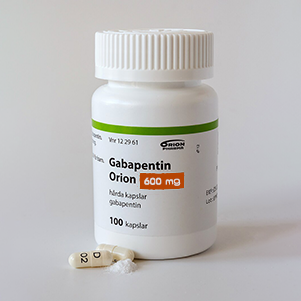
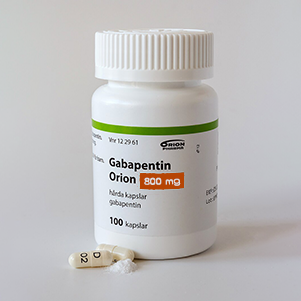
Gabapentin
Gabapentin is a prescription medication belonging to the anticonvulsant class. It is available in several formulations, including capsules, tablets, extended-release tablets, and oral solution. Depending on the formulation and clinical situation, gabapentin may be prescribed for certain seizure disorders and specific types of nerve pain. MedlinePlus: Gabapentin Drug Information
What Is Gabapentin?
Gabapentin is a medicine that affects signaling within the nervous system. It was originally developed as an anticonvulsant and is approved for specific seizure-related uses. Immediate-release gabapentin is also approved for the management of postherpetic neuralgia, a type of persistent nerve pain that can occur after shingles.
The medication is sometimes prescribed for other conditions outside its FDA-approved indications. Such use is considered off-label and should be determined by a qualified healthcare professional based on an individual's medical history and treatment needs.
Gabapentin Uses
Gabapentin has established medical uses in the treatment of certain types of epilepsy and postherpetic neuralgia. For epilepsy, it may be used as adjunctive therapy for partial-onset seizures. For postherpetic neuralgia, it can help modify the way the nervous system processes certain pain signals.
Because nerve pain can feel very different from ordinary muscle or tissue pain, treatment may involve medications that influence nerve signaling rather than conventional analgesics alone.
How Gabapentin Works
Gabapentin does not work in exactly the same way as opioid pain medicines. Its effects involve modulation of neuronal signaling, which can reduce abnormal electrical activity associated with seizures and alter the way certain pain signals are processed.
The precise mechanism responsible for its effects in every approved indication is not completely understood. Patients should therefore use gabapentin according to the specific instructions provided by their prescriber rather than assuming that a higher dose will necessarily provide greater benefit.
Gabapentin Dosage and Strengths
Gabapentin is available in multiple strengths and dosage forms. The appropriate strength depends on the condition being treated, the formulation being used, kidney function, age, other medications, and individual response.
For example, FDA prescribing information for Neurontin describes dose titration for postherpetic neuralgia, while the medication may be prescribed differently for seizure disorders.
Do not change the dose, frequency, or formulation without medical guidance. Extended-release gabapentin products are not automatically interchangeable with immediate-release products. MedlinePlus specifically advises patients to confirm that they are receiving the formulation prescribed by their healthcare professional.
For detailed prescribing information, consult the FDA Drugs@FDA database.
Common Side Effects
Some people taking gabapentin may experience side effects such as:
Drowsiness or sleepiness
Dizziness
Problems with coordination
Fatigue
Swelling of the hands, feet, ankles, or lower legs
Weight changes
Difficulty concentrating
Drowsiness and dizziness can affect alertness and coordination. Patients should understand how the medicine affects them before driving, operating machinery, or performing activities requiring full concentration.
Important Safety Information
Gabapentin should be used only as directed by a healthcare professional. Tell your doctor or pharmacist about all prescription medicines, over-the-counter products, vitamins, and supplements you take because interactions and additive side effects can occur.
Alcohol can increase the drowsiness associated with gabapentin. The medication can also cause significant sedation in some people, so combining it with other substances that depress the central nervous system requires particular caution.
The FDA-approved labeling also contains warnings concerning respiratory depression, particularly in patients with respiratory risk factors or when gabapentin is used with other central nervous system depressants. Serious allergic reactions can also occur.
For current FDA safety communications and medication information, visit FDA.gov.
Gabapentin and Kidney Function
Kidney function is an important consideration when gabapentin is prescribed because the medication is eliminated primarily through the kidneys. People with impaired kidney function may require an adjusted dosing regimen.
Patients with kidney disease should tell their healthcare professional before starting or changing gabapentin treatment. A clinician can determine whether dose adjustments or additional monitoring are necessary.
Stopping Gabapentin
Gabapentin should not be stopped abruptly without medical advice, particularly when it has been prescribed for seizure control. Suddenly discontinuing treatment can increase the risk of seizures and may produce withdrawal-related symptoms in some patients.
If treatment needs to be discontinued, a healthcare professional can determine whether the dose should be reduced gradually and how quickly that reduction should occur.
Gabapentin Interactions
Before taking gabapentin, provide your healthcare professional with a complete list of medications and supplements you use.
Certain products can affect how gabapentin is absorbed or can increase sedation. For example, MedlinePlus advises separating aluminum- or magnesium-containing antacids from gabapentin by at least two hours.
Because individual circumstances vary, patients should ask a pharmacist or physician about specific combinations rather than relying on general interaction lists.
When to Seek Medical Attention
Although many people tolerate gabapentin without serious problems, certain symptoms require prompt medical attention.
Seek urgent medical care for symptoms such as difficulty breathing, severe sleepiness, swelling of the face or throat, difficulty swallowing, or a serious rash. Significant changes in mood or behavior, including suicidal thoughts, should also be reported immediately to a healthcare professional.
For additional medication-safety information, patients can consult the FDA MedWatch program.
Frequently Asked Questions
Is gabapentin a painkiller?
Gabapentin is not a conventional painkiller like an opioid analgesic. It is an anticonvulsant that is also approved for certain nerve-pain conditions, including postherpetic neuralgia.
Is gabapentin used for seizures?
Yes. Gabapentin is approved as adjunctive therapy for partial-onset seizures in certain patients with epilepsy.
Can gabapentin make you sleepy?
Yes. Drowsiness and dizziness are recognized effects and can affect coordination and alertness.
Can I stop gabapentin suddenly?
Do not stop gabapentin suddenly without speaking with your healthcare professional. The appropriate discontinuation approach depends on why you take it and your individual circumstances.
Does gabapentin interact with other medicines?
Yes. Gabapentin can interact with other medicines and substances, and combining it with other sedating agents may increase certain risks. Always provide your healthcare professional with a complete medication list.
Final Thoughts
Gabapentin can be an important treatment option for certain seizure disorders and specific forms of nerve pain. However, its appropriate dose, formulation, duration of treatment, and safety considerations vary considerably between patients.
Understanding the medication is particularly important because factors such as kidney function, other medicines, alcohol use, respiratory conditions, and individual sensitivity can influence treatment safety.
For reliable, up-to-date information, patients should use authoritative sources such as the U.S. Food and Drug Administration and MedlinePlus, and discuss personal treatment decisions with a qualified healthcare professional.
Medical Disclaimer: This page is for general educational purposes and does not replace professional medical advice, diagnosis, or treatment. Gabapentin is a prescription medication and should be used only as directed by a qualified healthcare professional.