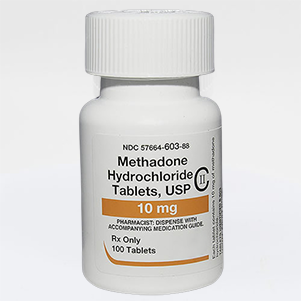
Methadone
Methadone is a prescription medication with two major clinical uses: management of certain types of severe pain and treatment of opioid use disorder (OUD) as part of a structured treatment program.
Methadone is a long-acting opioid and can produce respiratory depression, dependence, overdose, and potentially life-threatening interactions with other substances. It should therefore be used only under appropriate medical supervision.
What Is Methadone?
Methadone is a synthetic opioid that acts on opioid receptors in the central nervous system. Unlike many short-acting opioids, methadone has a relatively long and variable duration of action.
When used for opioid use disorder, methadone can reduce opioid cravings and withdrawal symptoms and help stabilize treatment.
For authoritative information, consult MedlinePlus: Methadone and the FDA.
What Is Methadone Used For?
Methadone may be prescribed for:
The formulation and treatment approach differ depending on the medical indication.
For opioid use disorder, methadone treatment is provided through regulated treatment programs and includes ongoing clinical monitoring.
How Does Methadone Work?
Methadone activates opioid receptors and changes how the brain and nervous system perceive pain.
When used for opioid use disorder, its long-lasting effects can reduce withdrawal symptoms and opioid cravings while helping prevent the cycle of intoxication and withdrawal associated with shorter-acting opioids.
Because methadone remains in the body for a relatively long time, its effects can accumulate with repeated dosing, particularly when treatment is being started or adjusted.
Common Side Effects
Potential side effects include:
Drowsiness
Dizziness
Nausea
Vomiting
Constipation
Sweating
Dry mouth
Weakness
Patients should be cautious with driving or other activities requiring alertness until they understand how methadone affects them.
Serious Safety Risks
Methadone can cause life-threatening respiratory depression, especially during treatment initiation, after dose increases, or when combined with other central nervous system depressants.
Seek emergency medical attention for:
The FDA's opioid medication information provides additional safety guidance.
Methadone and Heart Rhythm
Methadone can affect the heart's electrical activity and may prolong the QT interval in some people. In susceptible individuals, this can increase the risk of a potentially serious abnormal heart rhythm.
Healthcare professionals may consider cardiac risk factors, other medications, electrolyte abnormalities, and medical history when determining whether methadone is appropriate.
Methadone and Other Medicines
Methadone can interact with many prescription and nonprescription medicines.
Particular caution is required with other substances that:
Patients should provide their doctor or pharmacist with a complete list of medicines, supplements, and other substances they use.
Methadone and Benzodiazepines
Combining methadone with benzodiazepines such as alprazolam, clonazepam, or diazepam can increase the risk of profound sedation and respiratory depression.
However, people receiving methadone treatment for opioid use disorder should not independently stop prescribed benzodiazepines or methadone. Any changes should be managed by the appropriate healthcare professionals.
The FDA provides guidance on managing opioid use disorder treatment when other central nervous system depressants are involved.
Methadone and Alcohol
Alcohol can increase the sedative and respiratory-depressant effects of methadone.
Combining alcohol with methadone can therefore increase the risk of overdose and other serious complications. Patients should discuss alcohol use with their healthcare professional.
Dependence and Withdrawal
Physical dependence can develop with regular methadone use.
Stopping methadone suddenly can cause opioid withdrawal symptoms, which may include:
Anxiety
Restlessness
Sweating
Muscle aches
Runny nose
Abdominal cramping
Nausea
Diarrhea
Sleep difficulties
Patients should not abruptly discontinue regular methadone treatment without medical guidance.
Methadone for Opioid Use Disorder
Methadone is one of the established medications used to treat opioid use disorder. In a structured treatment setting, it can reduce withdrawal symptoms and cravings and help people remain engaged in recovery.
Medication treatment can be combined with counseling, behavioral therapies, recovery support, and other services according to individual needs.
The SAMHSA provides information about evidence-based treatment for substance use disorders.
Frequently Asked Questions
Is methadone an opioid?
Yes. Methadone is a synthetic opioid medication.
What is methadone used for?
It can be used for certain types of severe pain and as a medication for opioid use disorder within an appropriate treatment program.
Can methadone cause dependence?
Yes. Physical dependence can develop with regular use. This does not by itself mean that someone has opioid use disorder.
Can methadone cause overdose?
Yes. Excessive opioid exposure or combinations with alcohol or other central nervous system depressants can cause life-threatening respiratory depression.
Can methadone be taken with benzodiazepines?
The combination can increase the risk of respiratory depression and profound sedation. If both are prescribed, they require careful medical supervision.
Can methadone be stopped suddenly?
No. People taking methadone regularly should discuss discontinuation with their healthcare professional because abrupt cessation can cause withdrawal.
Final Thoughts
Methadone is a clinically important medication used both for certain pain conditions and for treatment of opioid use disorder. Its long duration of action can provide therapeutic benefits, but it also requires careful dosing and monitoring because of risks involving respiratory depression, dependence, drug interactions, and heart rhythm changes.
Patients should use methadone only as prescribed and should never change the dose, combine it with alcohol or other sedating substances, or discontinue regular treatment without professional guidance.