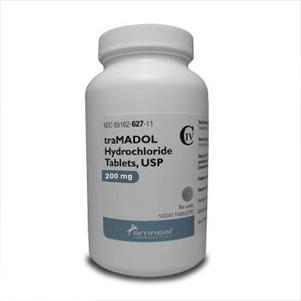
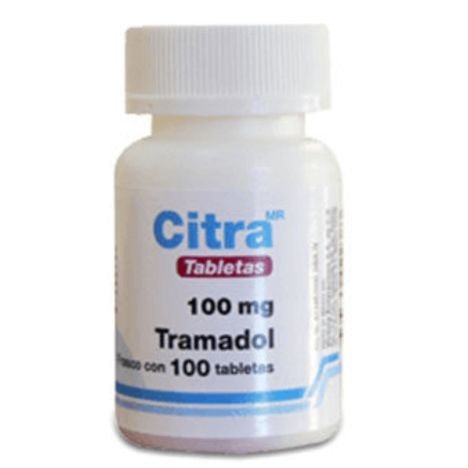
Tramadol
Tramadol is a prescription opioid analgesic used to manage certain types of pain when treatment with an opioid is considered appropriate. It works through both opioid activity and effects on the brain's serotonin and norepinephrine signaling pathways.
Because tramadol can cause dependence, misuse, respiratory depression, and potentially serious drug interactions, it should be taken only as prescribed by a qualified healthcare professional.
What Is Tramadol?
Tramadol is an opioid pain medicine available in immediate-release and extended-release formulations. Immediate-release tramadol is used for the management of pain severe enough to require an opioid analgesic when alternative treatments are inadequate.
The medication affects the central nervous system and changes how the body perceives and responds to pain.
For authoritative information, see MedlinePlus: Tramadol and the FDA's opioid medication information.
What Is Tramadol Used For?
Tramadol may be prescribed for certain moderate to moderately severe pain conditions. The decision to use an opioid depends on the cause and severity of pain, the patient's medical history, other available treatments, and the potential risks associated with opioid therapy.
Treatment should be individualized rather than based solely on pain intensity.
How Does Tramadol Work?
Tramadol has a dual mechanism of action. It binds to opioid receptors in the nervous system and also influences the reuptake of serotonin and norepinephrine.
Its opioid activity contributes to pain relief, while its effects on neurotransmitter signaling also influence the processing of pain.
Tramadol is metabolized in the body to an active metabolite, and genetic differences in metabolism can contribute to differences in how individuals respond to the medication.
Available Formulations
Tramadol may be available as:
Immediate-release tablets or capsules
Extended-release tablets or capsules
Certain combination formulations containing another analgesic
Extended-release products are designed differently from immediate-release formulations and should not be substituted or altered without professional guidance.
Common Side Effects
Possible side effects include:
Dizziness
Drowsiness
Nausea
Vomiting
Constipation
Headache
Dry mouth
Fatigue
Patients should avoid driving or operating machinery until they know how tramadol affects their alertness and coordination.
Serious Safety Risks
Tramadol carries important safety warnings. Opioids can cause potentially fatal respiratory depression, particularly when taken in excessive amounts or combined with other central nervous system depressants.
Tramadol can also increase the risk of seizures and serotonin syndrome under certain circumstances.
Seek urgent medical attention for severe difficulty breathing, extreme sleepiness, loss of consciousness, seizures, or symptoms suggestive of serotonin syndrome such as agitation, hallucinations, rapid heartbeat, fever, muscle stiffness, or loss of coordination.
The FDA's Drug Safety Communications provides current safety information concerning prescription medicines.
Tramadol and Dependence
Repeated opioid use can lead to physical dependence and, in some people, opioid use disorder.
Physical dependence means the body has adapted to the medication and withdrawal symptoms may occur if treatment is suddenly stopped. Dependence is not identical to addiction, although dependence can occur as part of opioid use disorder.
Patients taking tramadol regularly should not discontinue treatment abruptly without discussing an appropriate plan with their healthcare professional.
Tramadol and Drug Interactions
Tramadol can interact with numerous medicines.
Particular caution is required with medicines that affect serotonin, including some antidepressants, because combining them can increase the risk of serotonin syndrome. Tramadol can also interact with other medicines that lower the seizure threshold or cause central nervous system depression.
Combining tramadol with alcohol, benzodiazepines, sleeping medicines, or other sedating substances can increase the risk of profound sedation and respiratory depression.
Patients should provide their doctor or pharmacist with a complete list of prescription medicines, over-the-counter products, vitamins, and supplements they use.
Tramadol and Seizure Risk
Seizures have been reported in people taking tramadol, including at recommended doses. The risk may increase with higher doses or when tramadol is combined with certain other medicines.
People with a history of seizures or conditions that increase seizure risk should discuss this with their healthcare professional before using tramadol.
Tramadol and Serotonin Syndrome
Because tramadol affects serotonin signaling, combining it with certain serotonergic medicines can increase the risk of serotonin syndrome.
Potential symptoms include:
This can be a medical emergency and requires prompt evaluation.
Frequently Asked Questions
Is tramadol an opioid?
Yes. Tramadol is an opioid analgesic, although its pharmacological activity differs from that of some other opioid medicines.
Can tramadol cause addiction?
Tramadol can cause misuse, physical dependence, and opioid use disorder. The risk varies between individuals and increases with inappropriate or prolonged use.
Can tramadol make you sleepy?
Yes. Drowsiness and dizziness are common potential effects. Avoid driving or operating machinery until you understand how the medicine affects you.
Can tramadol be taken with alcohol?
Combining tramadol with alcohol can increase sedation and the risk of respiratory depression. Alcohol should be avoided unless a healthcare professional specifically advises otherwise.
Can tramadol be stopped suddenly?
People taking tramadol regularly should consult their healthcare professional before stopping it. Sudden discontinuation can produce withdrawal symptoms.
Is tramadol safe for everyone?
No. Safety depends on factors including age, medical conditions, kidney and liver function, other medicines, history of seizures, and individual risk factors. A healthcare professional should determine whether tramadol is appropriate.
Final Thoughts
Tramadol can be an effective prescription option for certain types of pain, but it requires careful use because of its opioid properties and potential for dependence, respiratory depression, seizures, and drug interactions.
Patients should use only the formulation and dose prescribed for them, avoid combining tramadol with unapproved substances, and speak with a healthcare professional about persistent pain or concerns about side effects.
For additional information, consult MedlinePlus, the FDA, and a qualified healthcare professional.