Hydrocodone
Hydrocodone is a prescription opioid medication used in certain circumstances to manage pain severe enough to require an opioid analgesic when other treatment options are inadequate. It is also available in combination products, most commonly with acetaminophen.
Because hydrocodone can cause respiratory depression, misuse, opioid dependence, overdose, and other serious complications, it should be used only under the supervision of a qualified healthcare professional.
What Is Hydrocodone?
Hydrocodone is an opioid analgesic that acts on receptors in the central nervous system to reduce the perception of pain. It is available in different formulations and may be combined with other medicines.
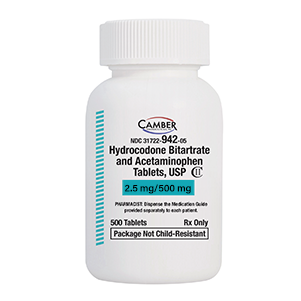
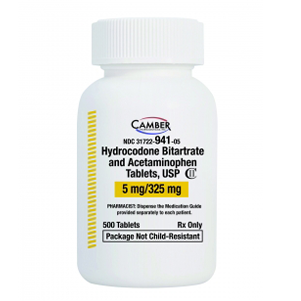
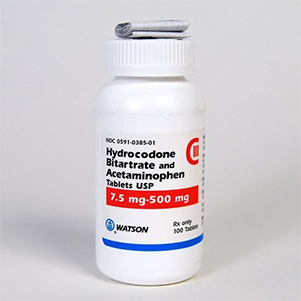
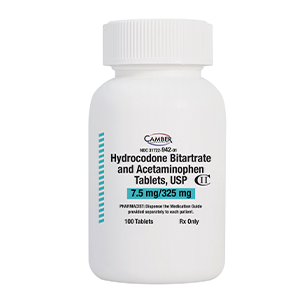
Hydrocodone-acetaminophen products contain two active ingredients: hydrocodone, an opioid analgesic, and acetaminophen, a non-opioid pain reliever.
For authoritative medication information, consult MedlinePlus and the U.S. Food and Drug Administration.
What Is Hydrocodone Used For?
Hydrocodone may be prescribed for pain that is severe enough to require opioid treatment when alternative therapies are inadequate.
The decision to prescribe an opioid depends on factors such as:
Severity and cause of pain
Previous treatments
Medical history
Other medicines being taken
Risk factors for opioid-related complications
Opioids are generally used at the lowest effective dose for the shortest appropriate duration.
Hydrocodone and Acetaminophen
Some hydrocodone products combine hydrocodone with acetaminophen.
Acetaminophen provides additional pain-relieving activity, while hydrocodone acts through opioid receptors.
An important safety consideration is that taking more than one acetaminophen-containing medicine can unintentionally increase total acetaminophen exposure. Excessive acetaminophen can cause serious liver injury.
Patients should carefully check the active ingredients of all prescription and over-the-counter medicines they use.
The FDA's acetaminophen safety information provides additional information.
How Does Hydrocodone Work?
Hydrocodone binds to opioid receptors in the brain and spinal cord. This changes how the nervous system perceives and responds to painful stimuli.
Because opioid receptors also influence breathing, alertness, gastrointestinal activity, and other body functions, hydrocodone can produce effects beyond pain relief.
Common Side Effects
Potential side effects of hydrocodone include:
Drowsiness
Dizziness
Nausea
Vomiting
Constipation
Lightheadedness
Dry mouth
Patients should avoid driving or operating machinery until they understand how the medication affects their alertness and coordination.
Serious Safety Risks
Hydrocodone can cause serious or potentially fatal respiratory depression, particularly when taken in excessive amounts or combined with other central nervous system depressants.
Seek emergency medical attention for symptoms such as:
Very slow or difficult breathing
Extreme sleepiness or inability to wake
Loss of consciousness
Blue or gray lips or skin
Severe confusion
The FDA's opioid safety information provides additional guidance.
Hydrocodone and Dependence
Regular opioid use can result in physical dependence. This means the body adapts to the medication and withdrawal symptoms can occur when it is suddenly discontinued.
Physical dependence is different from opioid use disorder, although dependence can occur alongside problematic opioid use.
People taking hydrocodone regularly should not abruptly stop treatment without discussing an appropriate discontinuation plan with their healthcare professional.
Hydrocodone and Alcohol
Alcohol can significantly increase the sedative and respiratory-depressant effects of hydrocodone.
Combining opioids with alcohol can increase the risk of overdose and death. Patients should avoid alcohol unless their healthcare professional specifically advises otherwise.
Hydrocodone and Other Sedatives
Combining hydrocodone with other central nervous system depressants can be dangerous.
Examples include:
These combinations can increase sedation and suppress breathing.
The FDA warns about the serious risks associated with combining opioids and benzodiazepines.
Safe Storage and Disposal
Prescription opioids should be stored securely and kept out of reach of children and other people who were not prescribed the medication.
Unused opioid medication should be disposed of according to appropriate medication-disposal guidance. The FDA's drug disposal information provides information about safe disposal options.
Frequently Asked Questions
Is hydrocodone an opioid?
Yes. Hydrocodone is a prescription opioid analgesic.
Can hydrocodone cause addiction?
Yes. Like other opioids, hydrocodone has the potential for misuse, physical dependence, and opioid use disorder.
Can hydrocodone cause constipation?
Yes. Constipation is a common opioid-related side effect. Patients should discuss persistent or severe constipation with their healthcare professional.
Can hydrocodone be taken with alcohol?
Combining hydrocodone with alcohol can dangerously increase sedation and respiratory depression. Alcohol should generally be avoided while taking hydrocodone.
Can hydrocodone be taken with Xanax?
Both hydrocodone and alprazolam can depress the central nervous system. Their combination can substantially increase the risk of profound sedation, respiratory depression, coma, and death and should only occur under careful medical supervision.
What should I do if I miss a dose?
Instructions depend on the specific hydrocodone formulation and the reason it was prescribed. Patients should follow the instructions provided with their prescription or contact their pharmacist rather than taking extra medication to compensate.
Final Thoughts
Hydrocodone can provide important pain relief for appropriately selected patients, but it is a potent opioid with significant risks. Safe use requires careful attention to dosage, duration, drug interactions, respiratory risks, and the potential for dependence.
Patients should take hydrocodone exactly as prescribed, avoid combining it with alcohol or unapproved sedating substances, and discuss any concerns about side effects or dependence with a healthcare professional.